Exploring Event Diversity in Different Communities
In a world increasingly connected by technology, the ways we engage with our communities through events are evolving. This article explores the diversity of events across various communities in Portugal, highlighting the significance of offline clubs, printed schedules, and curated cultural meetups.
Understanding Community Events
Community events serve as a crucial platform for cultural exchange and social interaction. According to studies, engaging in local activities can foster a sense of belonging and improve mental well-being. This is particularly relevant in communities that may feel isolated or disconnected.
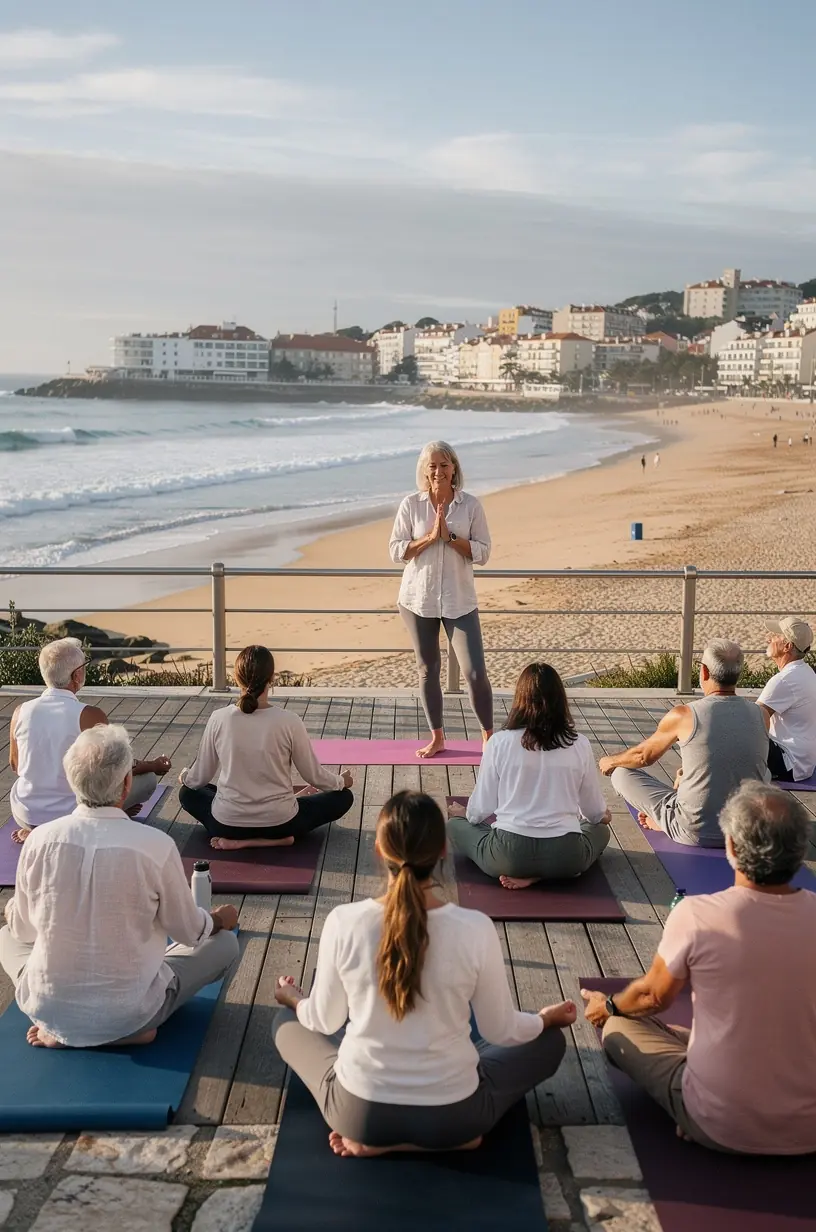
"Community engagement through events can enhance social ties and contribute to overall community resilience," says Dr. Maria Lopes, a sociologist specializing in community dynamics.
The Importance of Diversity in Events
Event diversity is essential for catering to different interests and backgrounds within a community. Research indicates that events that reflect cultural diversity can lead to increased participation and engagement. This is particularly evident in urban areas where multiculturalism is prominent.
Types of Events to Consider
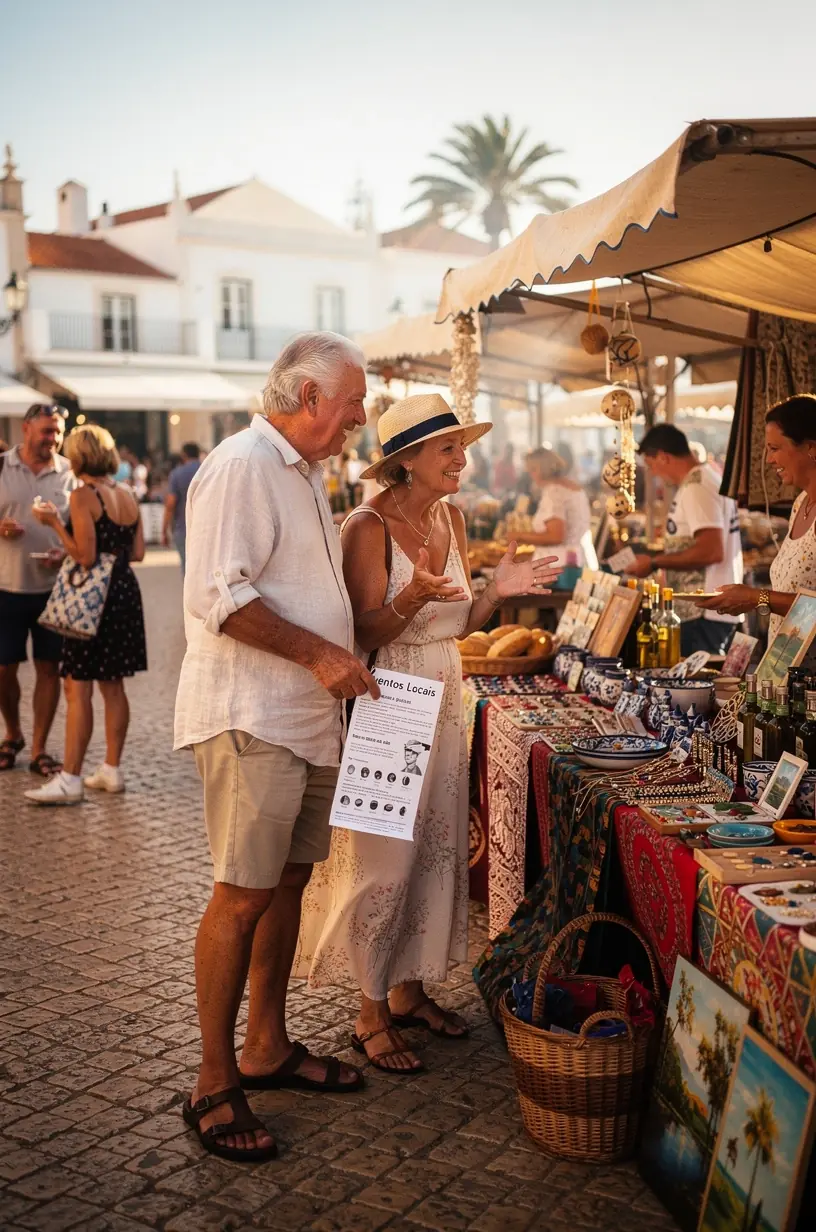
- Cultural Festivals: These celebrate local traditions and can attract attendees from various backgrounds, promoting inclusivity.
- Workshops and Classes: Providing skill-building opportunities can engage community members by allowing them to share and learn together.
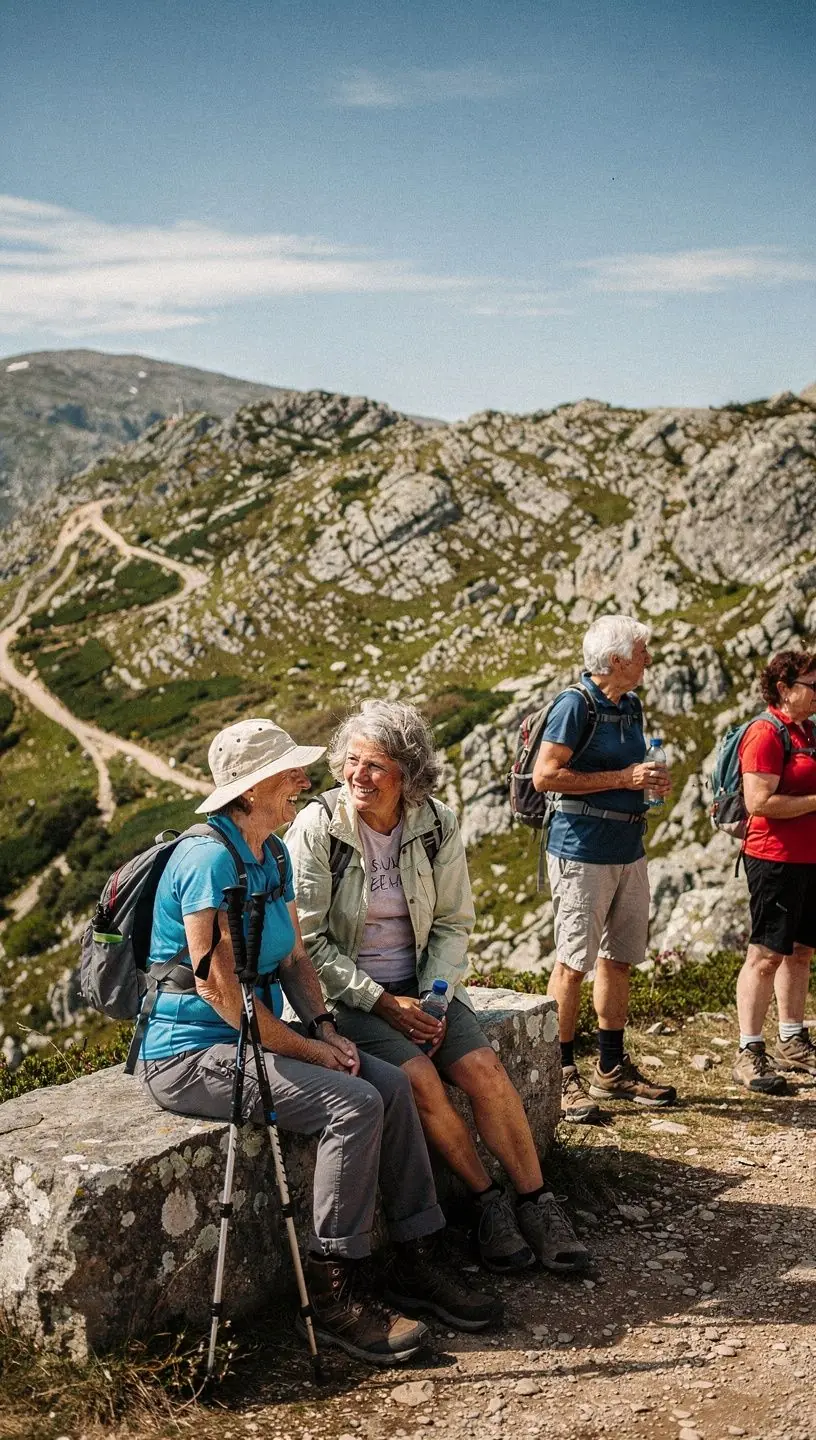
- Sports and Outdoor Activities: Many users report that these types of events encourage physical health and community bonding.
Curated Cultural Meetups
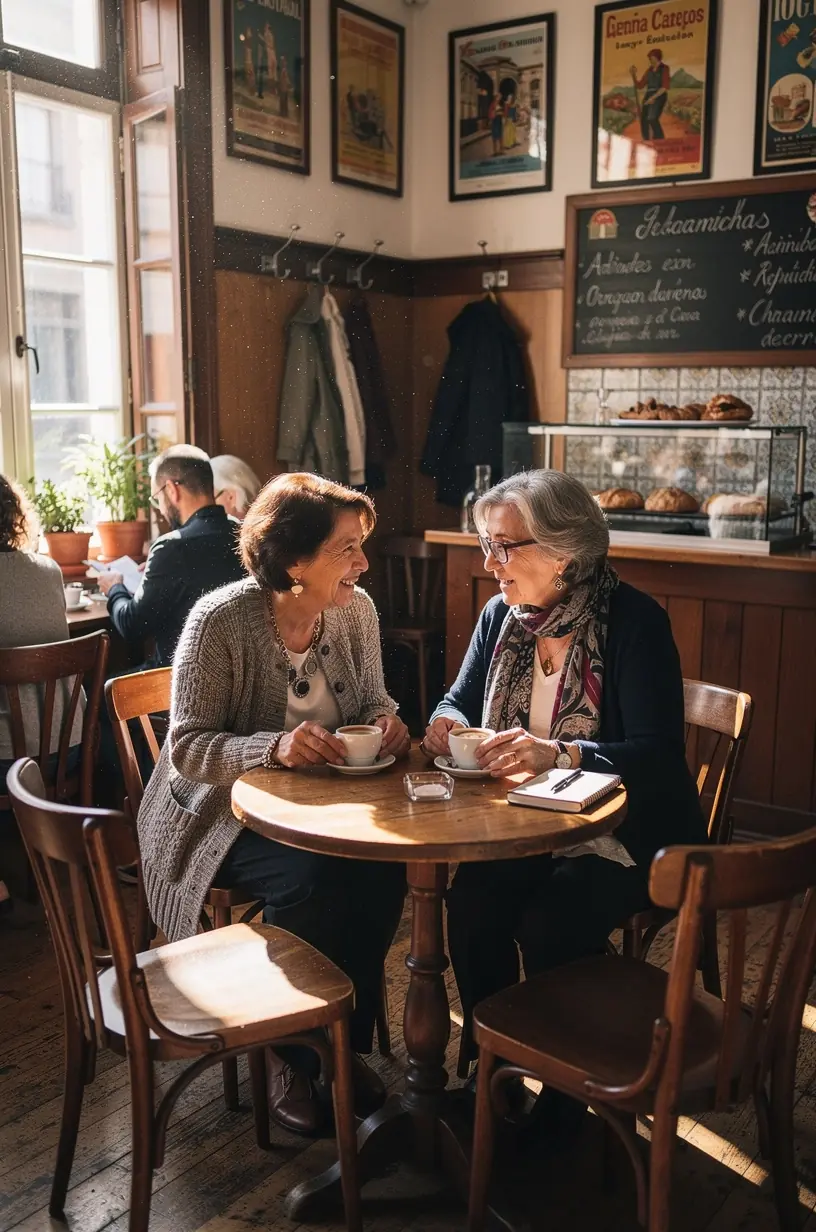
Curated cultural meetups offer a tailored approach to event planning. By focusing on specific interests or demographics, organizers can create meaningful experiences. For instance, themed gatherings can bring together individuals who share a common passion, whether that be art, literature, or technology.
Best Practices for Organizing Events
- Identify the Audience: Understanding the community's demographics and interests is crucial for effective event planning.
- Utilize Feedback: Gathering input from potential attendees can guide the programming and logistics, ensuring the event meets community needs.
- Promote Inclusivity: It's important to actively market events in diverse channels to reach various segments of the community.
Challenges and Considerations
While organizing diverse events can be rewarding, it often comes with challenges. Typically, gathering participation from all segments of the community requires extensive outreach and engagement efforts. Experts suggest that building partnerships with local organizations can enhance these efforts by leveraging their networks.
"Collaboration with local businesses and cultural institutions can greatly amplify the reach and impact of community events," states João Pereira, a community organizer.
Conclusion
Exploring event diversity in different communities across Portugal highlights the importance of creating inclusive spaces for engagement. By understanding the audience, promoting inclusivity, and leveraging local partnerships, organizers can foster a thriving cultural landscape that benefits all community members. Ultimately, investing time and effort into diverse events can lead to significant social and cultural enrichment.