The Evolution of Event Information Platforms
As the way we connect and gather evolves, so too do the platforms that deliver event information. In this article, we will explore the history, current trends, and future directions of event information hubs, particularly focusing on their role in offline communities and cultural meetups in Portugal.
Understanding the Basics
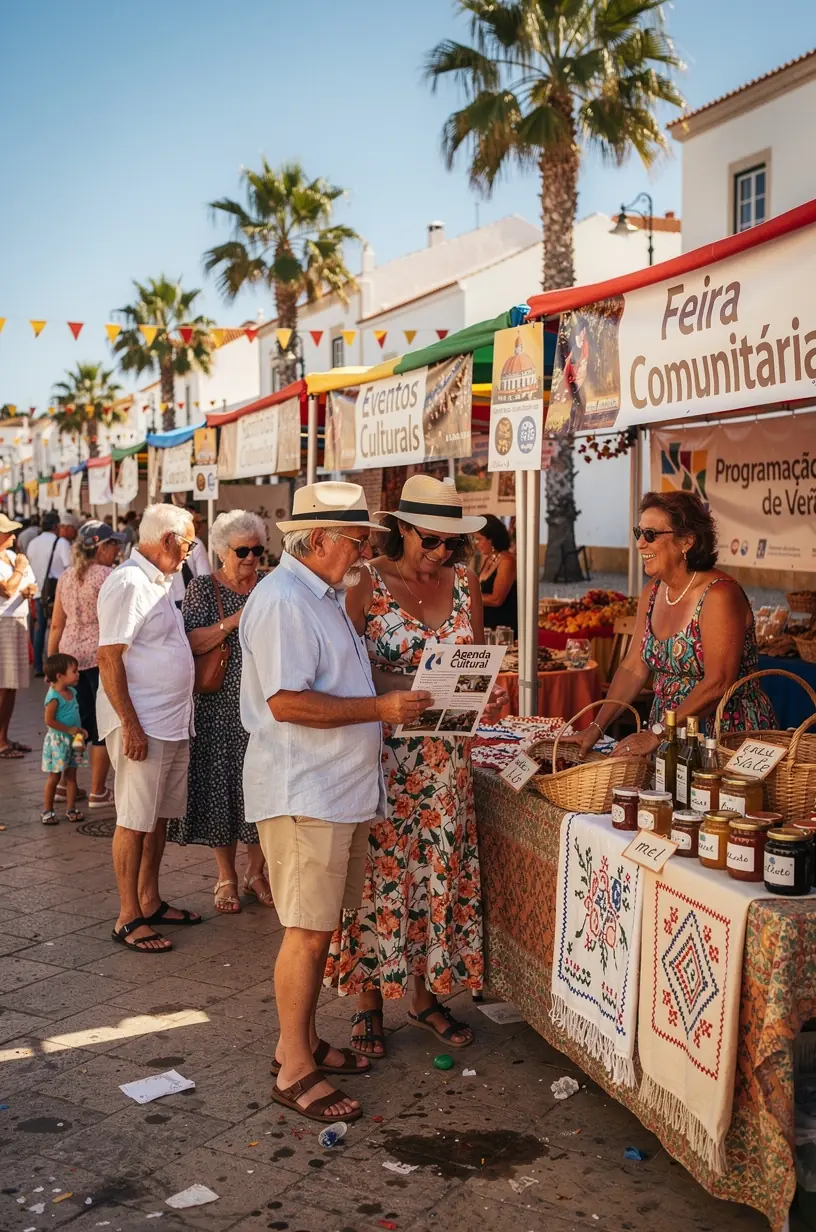
Event information platforms have undergone significant transformation over the past few decades. Initially, these platforms were primarily physical, with local clubs and community centers relying on printed schedules and bulletin boards. According to research conducted by the International Event Management Association, many users still value printed materials for their accessibility and ease of use, especially in communities where digital literacy varies.

"The integration of offline and online resources in event planning can enhance community engagement and participation."
The Rise of Digital Platforms
As technology advanced, event information platforms began to shift online. This transition was driven by the growing internet access among the public and the convenience of digital tools. Studies show that many users prefer receiving information digitally, as it allows for real-time updates and increased interaction. However, it is crucial to acknowledge that not all demographics are equally inclined to adopt these technologies, which is where offline clubs and printed schedules still play an essential role.
Key Features of Modern Event Platforms
- Real-time updates: Digital platforms often provide instantaneous information on event changes, which is beneficial in rapidly changing environments.
- User engagement: Many platforms now include features that allow users to interact, share experiences, and even suggest events, fostering a sense of community.
- Accessibility: While online platforms are convenient, experts recommend maintaining physical options for those who may not be comfortable with technology.
Curated Cultural Meetups
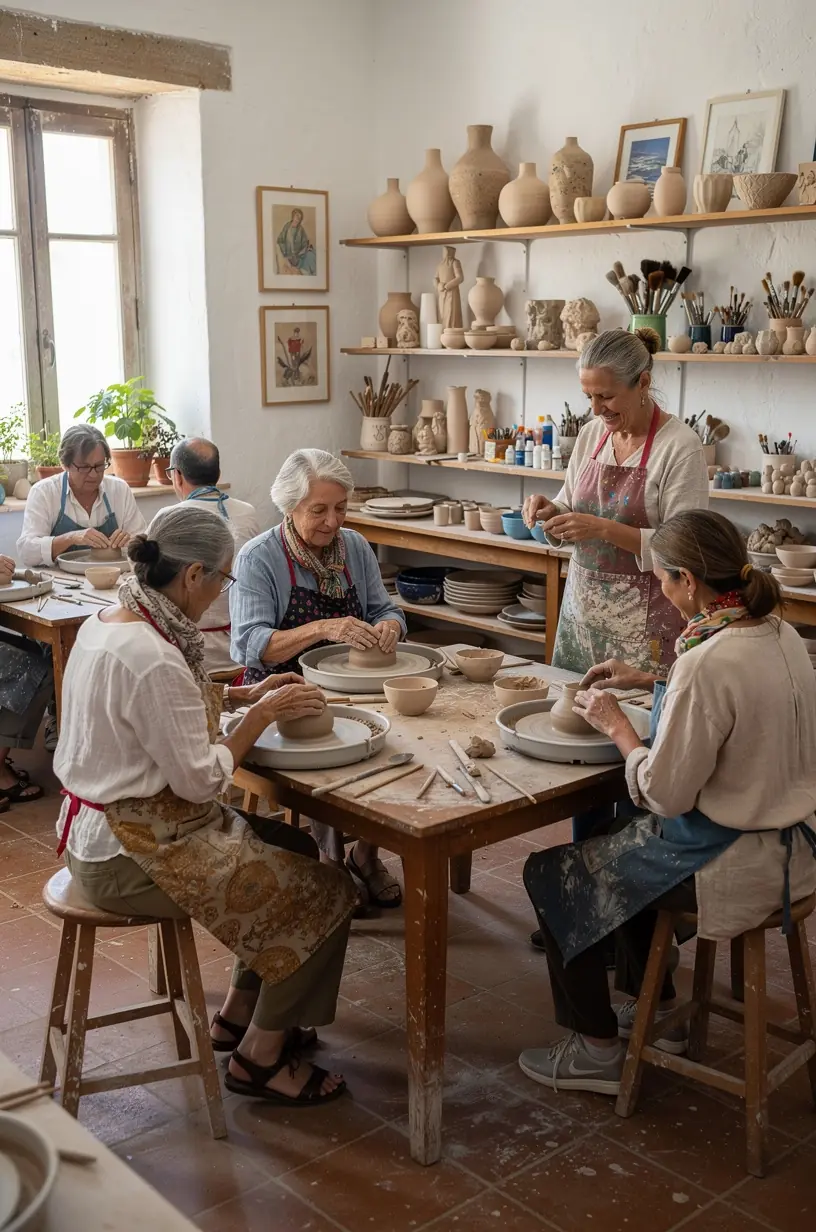
In recent years, curated cultural meetups have gained popularity, offering tailored experiences based on community interests. Many event information hubs now focus on promoting these meetups, which often bridge the gap between digital and physical interactions. According to industry experts, these events can significantly enhance user satisfaction by providing immersive experiences that resonate with local cultures.
Challenges and Limitations
While the evolution of event information platforms brings numerous advantages, it also presents challenges. For instance, transitioning from traditional to modern platforms may involve a learning curve for some users. Typically, it requires a commitment of time and effort, as individuals must familiarize themselves with new technologies.
Moreover, offline clubs often face limitations in reach compared to their online counterparts. This means that while many may benefit from localized events, the exposure is inherently limited. It's essential for organizers to understand their audience and tailor their approach accordingly.
Conclusion
The evolution of event information platforms demonstrates a balancing act between embracing technology and honoring traditional methods of community engagement. As digital tools continue to develop, it’s crucial to maintain a space for offline interactions, particularly in culturally rich environments like Portugal. By understanding and adapting to the needs of diverse audiences, event planners can create inclusive experiences that foster community ties and cultural appreciation.
Read More